
Published · By Jeff Brick, 2026 SDMLS President
Quick answer: The home buying process California buyers follow in San Diego runs in six steps: get pre-approved, tour and make an offer, open escrow, complete your inspections and appraisal, review your Closing Disclosure, then sign and get the keys. Two paperwork rules from the Consumer Financial Protection Bureau (CFPB) anchor the timeline: your lender must send a Loan Estimate within three business days of your application, and a Closing Disclosure at least three business days before closing.
I’m Jeff Brick, a San Diego REALTOR® with Compass, and I walk first-time buyers through this order of events every week. Love is love and math is math, so let’s lay out the home buying process California style: step by step, with the deadlines that matter. Prefer the big picture first? Start with my first-time home buyer guide.
This is general information, not legal, tax or lending advice. Confirm details with your lender, escrow officer and attorney.

The home buying process California buyers follow, in six steps
Step 1: Get pre-approved before you tour
Pre-approval is where the clock starts. You share income, assets and credit with a lender, and they tell you what you can borrow. A pre-approval letter makes your offer credible, and it keeps you from falling for a home you cannot finance. If you want to see how a payment changes with rates, read my guide on how rates change your buying power, and see how much cash you need to buy in San Diego.
Ask about down payment help early. My post on CalHFA and local programs explains which programs can change your budget before you ever write an offer.
Step 2: Tour homes and write an offer
This is the fun part, from open houses in North Park to Sunday brunch in Hillcrest between showings. Once you find the one, your agent prepares a written offer on the California purchase agreement. Price matters, but so do terms: the closing date, your contingencies and how much earnest money you put down. When a seller counters, you negotiate until both sides sign. That signed contract is your timeline, because the deadlines for your inspections, appraisal and loan approval are written into it. Read yours closely, and ask your agent to calendar every date.
Choosing who represents you is a big decision too. I explain how to compare agents fairly in how to choose a real estate agent as a first-time buyer.
Step 3: Open escrow
After the contract is signed, escrow opens with a neutral third party who holds the money and documents until everyone has done what the contract requires. You deliver your earnest money deposit to escrow by the deadline in your contract. Escrow also coordinates title work, so a title company confirms the seller can legally transfer the home and that no surprise liens come with it. Think of escrow as the referee: not on anyone’s team, keeping everything fair and on schedule.
Step 4: Inspections, disclosures and appraisal
This is where your contingencies earn their keep. In California, sellers must provide a Transfer Disclosure Statement and a Natural Hazard Disclosure, and Nolo’s summary of the rule notes buyers generally have three days after in-person delivery, or five days after delivery by mail, to terminate over the required disclosures. Your contract controls your specific deadlines, so lean on your agent for exact dates.
Meanwhile you order a general home inspection, and often specialty inspections such as termite or sewer line, depending on the property. Your lender orders an appraisal to confirm the home supports the loan amount. If an inspection turns up repairs, you can ask for credits or fixes, or walk away within your contingency period. I keep a vetted list of inspectors, lenders and other pros on my Approved Vendors page.
Home buying process California buyers should time: the 3-day rules
Two federal timing rules help you plan the home buying process California lenders follow. Per the CFPB, your lender must give you a Loan Estimate within three business days of receiving your application, and a Closing Disclosure at least three business days before closing. Use the Loan Estimate to compare lenders. Use the Closing Disclosure to confirm that your final loan terms and cash to close match what you were promised.
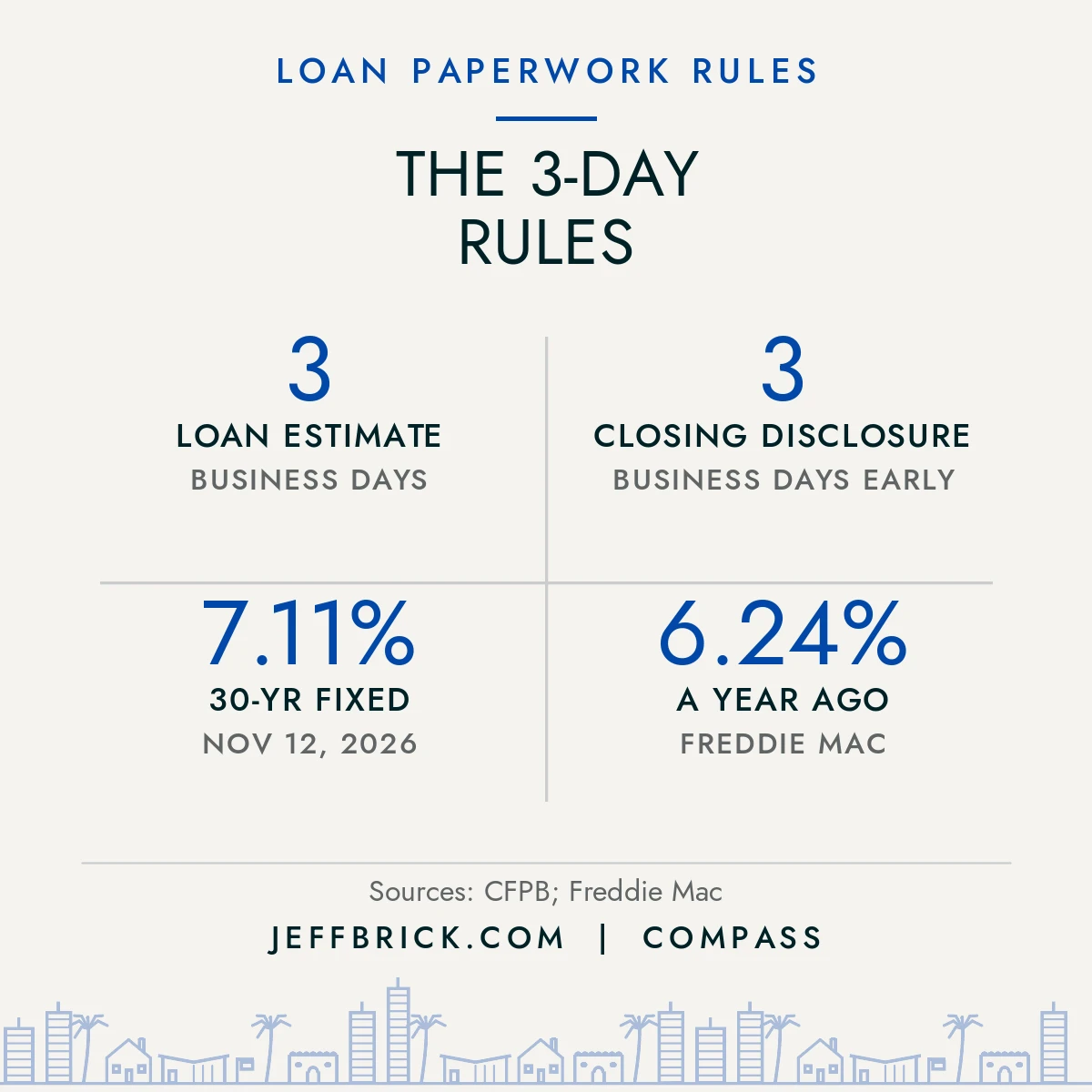
Here is the practical takeaway: do not schedule your move-out, your movers or your celebration dinner until you have received that Closing Disclosure and read it line by line. If the numbers changed, ask why while there is still time.
Step 5: Lock your rate and finish underwriting
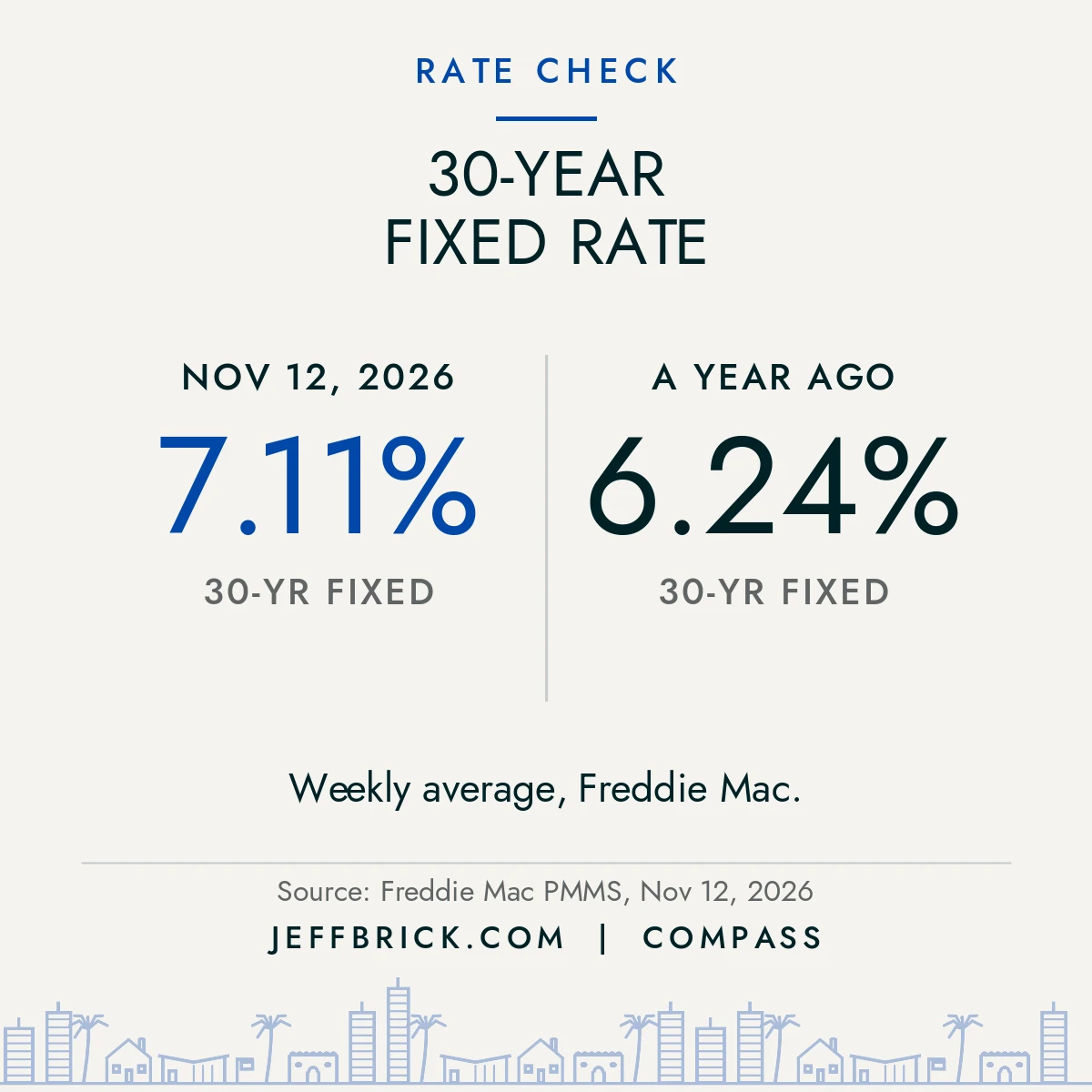
While inspections happen, your lender verifies your finances and underwrites the loan. Expect requests for pay stubs, bank statements and explanations of any large deposit. Respond quickly, and do not open new credit cards, change jobs or move large sums around until you close. Rates also matter on the timeline. According to Freddie Mac’s Primary Mortgage Market Survey, the 30-year fixed-rate mortgage averaged 7.11% for the week of November 12, 2026, compared with 6.24% a year earlier. Ask your lender when and how to lock a rate, since each lender’s lock terms differ.
Step 6: Sign, record and get the keys
Once your contingencies are removed and your loan is approved, you sign the final documents with escrow and wire your down payment and closing costs, following the instructions your escrow officer confirms by phone. Wire fraud is real, so never trust emailed wiring instructions without calling a number you already know. When the deed is recorded with the county, escrow releases the funds, and you get the keys. Time to fire up the grill, whoever you share the house with, and know that everyone is welcome home. 🏳️🌈
Jeff’s take
Most stress in the home buying process California buyers go through comes from surprises, not from the steps themselves. My job is to turn the surprises into a calendar. I’m a San Diego REALTOR®, a 2026 President of the San Diego Multiple Listing Service and a Southern California luxury apartment home leasing broker, and my motto is “Million Dollar Service at All Price Points.” A first condo gets the same care as a luxury estate. I’d rather you ask me ten questions now than find one problem the week before closing.
Ready to start your San Diego home search?
Call or text me at 858-324-4448 and we will map your own timeline, from pre-approval to keys. Everyone is welcome home.
Home buying process California: FAQ
What are the steps in the home buying process in California?
Get pre-approved, tour homes and make an offer, open escrow, complete inspections and the appraisal, review your Closing Disclosure, then sign and receive the keys when the deed is recorded.
When do I get my Loan Estimate and Closing Disclosure?
Per the CFPB, the Loan Estimate arrives within three business days of your application, and the Closing Disclosure at least three business days before closing.
How long do I have to review California seller disclosures?
Nolo’s summary says buyers generally have three days after in-person delivery or five days after delivery by mail or electronic means to terminate over the required disclosures. Your contract controls the exact dates.
What does escrow do?
A neutral third party holds your deposit and the documents, coordinates title work and releases funds only when every condition in the contract has been met.
What should I avoid while my loan is in underwriting?
Avoid new credit, job changes and large unexplained deposits or withdrawals, and answer your lender’s document requests quickly.